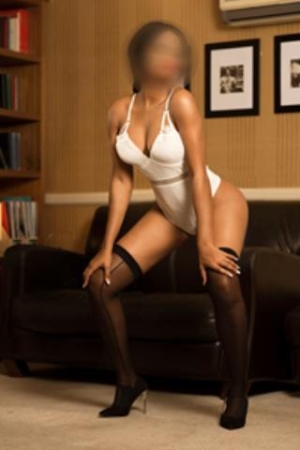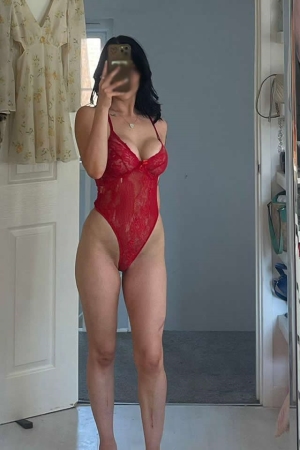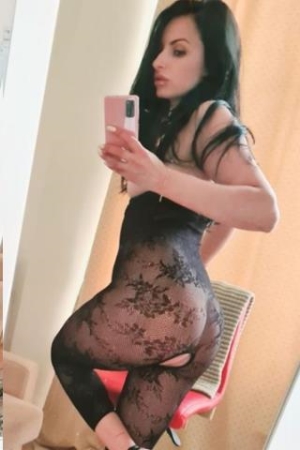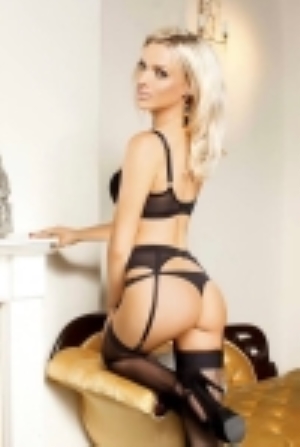
Jules
We are always looking for confident attractive women.
Any nationality welcome
Must be over 18 years of age.
Dunmow, Great Dunmow and its near neighbour, Little Dunmow are small market towns close to Stansted Airport and the M11 in rural Essex. The town is situated on a Roman road and is thought to have been the site of a Roman station. Today, Great Dunmow is home to around nine thousand people and is popular with commuters, due to its mix of rural charm and good transport connections to London. There is plenty to keep you occupied in the area with a number of shopping facilities, bars, pubs and restaurants. It is a popular place to visit for a weekend break and you will find a number of places to stay in Dunmow and the surrounding areas.
If it's raining outside and you don't fancy venturing out into the cold for a night out, why not have an exciting evening in with one of the stunning Dunmow escorts. There is no need to spend loads of money on drinks, clubs and cabs when Diamond Escorts can bring one of the sexy Dunmow escorts straight to your front door. You may end up getting wet but it won't be because of the rain! These ladies are some of the best you will find in Essex and are well known for their friendly and charming personalities. If this is your first time using escort services then the escorts in Dunmow are a great choice as they will put you at ease straight away and make you feel completely relaxed. For the experienced escort user they will come as a welcome change to all of the robotic and dull escorts you may have seen before at other agencies. Diamond Escorts only employ ladies that are fun, enthusiastic and totally dedicated to the satisfaction and needs of their clients. They always go the extra mile in order to leave you feeling happy and content. The Dunmow escorts are also great value for money. You can have one of these amazing ladies in between the sheets for just over a hundred pounds! So whether it's for a few hours of intimate pleasure or just a good old fashioned date you will be sure to find your perfect playmate at Diamond Escorts.
If you do want to take your escort in Dunmow out to show her off then you will find a number of pubs in the area such as the Angel and Harp, the Kicking Dickey and the Chequers. You can enjoy a few relaxing drinks with your Dunmow escort whilst getting to know her a little better. You may want to take her out for a bite to eat in which case you will find plenty of restaurants to suit every taste. The Butchers Arms Restaurants and The Green Man Restaurant are favourites among the Dunmow escorts and their clients. You will also find plenty of accommodations close by from luxury hotels to cosy bed and breakfasts. If you don't live close enough for your date to visit you then you will need to find somewhere you can have some private time with her.
Below you will find a list of venues where your Dunmow escort will be more than happy to visit and offer you that very special memorable evening of exceptional enjoyment which we are certain you will remember for a very long time.
Contact Details:
16 Church Street
Great Dunmow
CM6 2AD
Tel: 01371 859 259
Contact Details:
27 Stortford Road
Great Dunmow
Essex
CM6 1DA
Tel: 01371 872546
Contact Details:
Ongar Road
Great Dunmow
Essex
CM6 1ES
Tel: 01371 872071
Contact Details:
The High Street
Great Dunmow
CM61 1AG
Tel: 01371 873901
Contact Details:
Great Dunmow
Essex
CM6 1LP
Tel: 01279 817821
Contact Details:
The Endway
Great Dunmow
Essex
CM6 2HG
Tel: 01371 807359
Contact Details:
High Street
Stebbing
Great Dunmow
Essex
CM6 3SQ
Tel: 01371 856383
Contact Details:
Mill End Green
Great Easton
Great Dunmow
Essex
CM6 2DN
Tel: 01371852285
Contact Details:
Dunmow Rd
North End
Dunmow
CM6 3PJ
Tel: 01245 237481