Isabelle
We are always looking for confident attractive women.
Any nationality welcome
Must be over 18 years of age.
Tilbury is a town on the north bank of the River Thames in the County of Essex, within the Borough of Thurrock and although it has been an area of historical importance, it is of relatively recent existence. There is always something to see and do in Tilbury and its surrounding areas. You will find plenty of nice places to stay, along with a number of restaurants, pubs and shops. It is a great place to visit for a weekend away or an ideal location for some sexy fun with a Tilbury escort.
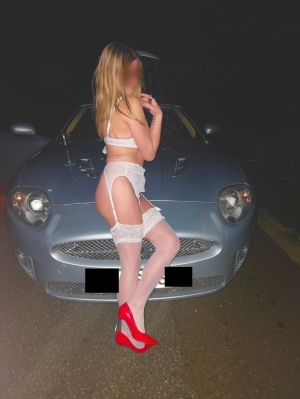
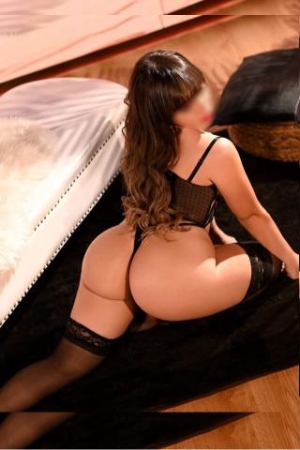
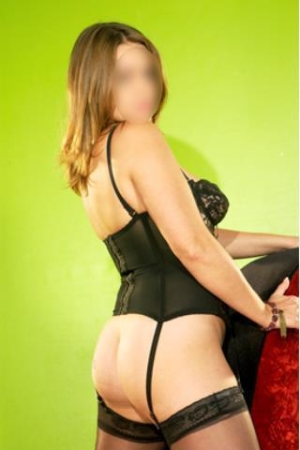
Diamond Escorts are the leading agency in Essex and have a fantastic selection of Tilbury escorts. If you have browsed through the gallery and are still unsure of who to choose, call and speak to the helpful receptionists who can tell you a bit more about each lady. They know each of the Tilbury escorts personally so can help you make the best choice for your needs. The ladies can visit you at home or in your hotel or even in a bar or pub. You could go for a few drinks first to help break the ice, or even have a nice romantic meal before some naughty adult fun. Whatever you decide to do with your Tilbury escort you are guaranteed fun, excitement and great value for money every time. You can even save yourself money on overnight bookings. Just ask about this when you call. The Tilbury escorts take the time to find out exactly what you like and what turns you on so that when you get behind closed doors they will know exactly what buttons to press. The Tilbury escorts tick all the boxes. Their clients say they are the perfect package and you are sure to agree. Whatever your preference, whatever your taste and whatever the occasion, there is a Tilbury escort just for you.
You may want to enjoy a few drinks with your Tilbury escort to help break the ice. You will find The Anchor pub to be friendly and welcoming and where you can enjoy a relaxing pint after a long day at work. You will also find The Oak which is a popular meeting place for the Tilbury escorts and their clients. You will also find a number of restaurants in the area where you can enjoy a good meal and a few glasses of wine with your Tilbury escort. There is something to suit every taste such as the Thai Palace, the New Delhi or The Ship Bar and Restaurant. The escorts in Tilbury love being wined and dined and sometimes prefer a chance to get to know you first.
If you need somewhere to enjoy some private time with the Tilbury escorts then you can try the Shamrock Guest House which is comfortable and good value for money or The Granby Hotel which is a favourite with the Tilbury escorts. Make sure that you have the full address of where you will be staying so that your Tilbury escort can find you in the quickest time possible.
For an unforgettable experience spend some time with the sexy and sensual Tilbury escorts. You are guaranteed an evening of fun, excitement and pure pleasure. Nothing is too much trouble for these ladies and you will want to keep them all night long.
Below you will find a list of venues where your Tilbury escort will be more than happy to visit and offer you that very special memorable evening of exceptional enjoyment which we are certain you will remember for a very long time.

Contact Details:
Lodge Lane
Grays
Nr Tilbury
Essex
RM17 5RZ
Tel: 01375 392752
Contact Details:
Civic Square
Tilbury
Essex
RM18 8AD
Tel: 01375 850560
Contact Details:
Lodge Lane
Grays
Nr Tilbury
Essex
RM17 5PR
Tel: 01374 382735
Contact Details:
The Hill
Gravesend
Nr Tilbury
DA11 9ES
Tel: 01474 321302

Contact Details:
116-118 Milton Road
Gravesend
Nr Tilbury
DA12 2PF
Tel: 01474 363557

Contact Details:
Watling Street
Shorne
Gravesend
DA12 3HB
Tel: 01474 823333
Contact Details:
Dock Road
Grays
Nr Tilbury
Essex
RM17 6EX
Tel: 01375 371121

Contact Details:
59 Orsett Road
Grays
Nr Tilbury
Essex
RM17 5HJ
Tel: 01375 386321

Contact Details:
4 Cromwell Road
Grays
Nr Tilbury
Essex
RM17 5HF
Tel: 01375 393071