Shanti
We are always looking for confident attractive women.
Any nationality welcome
Must be over 18 years of age.
Poplar is a residential area in the East End of London and is within the Borough of Tower Hamlet. It is just over five miles from the city centre which can be accessed via the underground and buses. You will find a number of restaurants, bars, entertainment venues and shops in the area so there is plenty to see and do. You will also find a number of hotels so it is an ideal location to arrange a discreet and naughty meeting with the stunning Poplar escorts.
If you are in Poplar tonight and you are looking for some female company, then look no further than Diamond Escorts. You will definitely find your dream date and add some spice to your evening in Poplar. The Poplar escorts are the very best that you will find, and no matter what type of lady you are looking for, Diamond Escorts will find your perfect playmate. They can have your delectable escort to you within forty five minutes so you won't have to wait long for your companion to arrive. If you are looking for a quiet night in the privacy of your home or hotel then it will be so, on the other hand if you are looking for the nightlife in Poplar then this will be fine too and you will be the envy of all around with your gorgeous Poplar escort on your arm. Once you have enjoyed your night on the town why not take your escort in Poplar home and enjoy some one on one time. She will be only too pleased to pamper to your every need. Diamond Escorts offer a discreet and confidential service and offer beautiful and sexy cheap escorts to the whole of London.
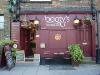
The area has an exciting night life and you will find a number of bars and pubs close by. Booty's Riverside Bar has a lively atmosphere and attracts a trendy crowd. Alternatively Aston's Champagne and Wine Bar is sophisticated and classy and is the perfect place to enjoy a couple of cocktails with your Poplar escorts. You will find restaurants to suit every taste in the area but a popular choice with the Poplar escorts is the Roka Japanese Restaurant.
If you need somewhere to stay in the area then you will find plenty of good hotels that offer luxury accommodation. You will find The Hilton, The Britannia International or The Marriott all close by. The benefits of staying away from home always attract men to come and stay in the area. They know they can enjoy total privacy and comfort whilst having a sexy lady cater to their every desire. What could be better?
Once you have met these charming Poplar escorts you will never want to see any other ladies. These girls will be just right for you and with so many to choose from you could have a different one any night of the week if you wanted to. Call Diamond Escorts today who can make all of your naughty dreams come true.
Below you will find a list of venues where your Poplar escort will be more than happy to visit and offer you that very special memorable evening of exceptional enjoyment which we are certain you will remember for a very long time.
Contact Details:
92A Narrow Street
Limehouse
Poplar
London
E14 8BP
Tel: 0207 987 8343

Contact Details:
187 Marsh Wall
Canary Wharf
Poplar
London
E14 9SH
Tel: 0207 537 3903

Contact Details:
22-28 Mackenzie Walk
Poplar
London
E14 4PH
Tel: 0207 719 1114

Contact Details:
Marsh Wall
Poplar
London E14 9SJ
Tel: 0871 222 0042

Contact Details:
46 Westferry Circus
Canary Wharf
Poplar
London
E14 8RS
Tel: 0207 510 1999

Contact Details:
South Quay
Marsh Wall
Canary Wharf
Poplar
London
E14 9SH
Tel: 0203 002 2300

Contact Details:
4 Park Pavilion
40 Canada Square
Canary Wharf
Poplar
London
E14 5ab
Tel: 0207 636 5228

Contact Details:
4th Floor Canada Place
Poplar
E14 5ER
Tel: 0207 715 7100

Contact Details:
Discovery Dock West
2 South Quay Square
Canary Wharf
Poplar
London
E14 9RT
Tel: 0207 515 9467