Amanda
We are always looking for confident attractive women.
Any nationality welcome
Must be over 18 years of age.
Whitechapel is an inner city area within the London Borough of Tower Hamlets, located just three miles from the centre of London. As are many areas of the East End of London, the resident population is of varied ethnic origins, but primarily Bengali. You will find a number of shops, restaurants, pubs and bars in the area making it a desirable place to live.
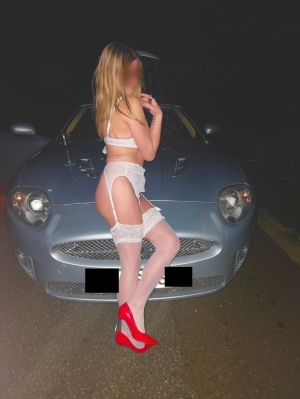
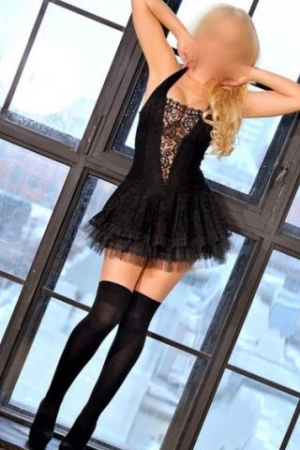
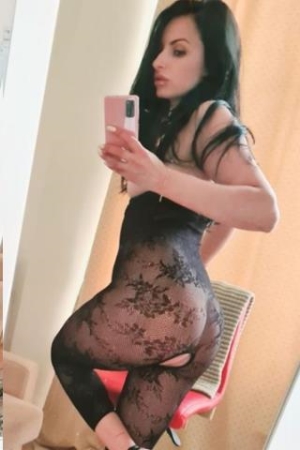
One of the most common reasons to visit the area is to see the Whitechapel escorts. These ladies are some of the most beautiful girls in East London and they always do whatever they can to ensure that their clients are left fully satisfied. Diamond Escorts, London's no 1 agency can have one of their ladies with you within forty five minutes. Each Whitechapel escort provides her own unique personal service and has lots of new tricks and tips to show you. You may be looking for an all night party girl or a mature, sophisticated date. Whatever your preference Diamond Escorts have the perfect lady for you. They aim to provide cheap escorts who provide a first class service that you won't find anywhere else in London. They will blow you away with their cheeky and naughty personalities and amaze you with their good looks.
You may want to take your Whitechapel escort out for a few drinks in which case you will find a number of wine bars and pubs in the area where you can enjoy a few drinks. The Blind Beggar pub is a friendly place to visit and full of locals which adds to the charm. Alternatively check out the Avalon Bar or the Rhythm Factory for a lively night out.
If you are feeling a little hungry then take your escort in Whitechapel out for something to eat and wine and dine her in the old fashioned way. Try La Chapelle Restaurant for all things French or Whitechapel Gallery Dining Room for a real fine dining experience. Alternatively Caf Spice Namaste has a beautifully exotic menu.
If you need somewhere to stay in the area where you can have some private time with the Whitechapel escorts then you will find many hotels close by. Your Whitechapel escort can meet you either in the lobby or come straight to your room, whatever you prefer. The 40 Winks hotel is charming and full of character where as the Ibis and Crown Plaza have stylish and modern rooms. Make sure you give the right room number when making your booking as the receptionist may want to speak to you in your room to confirm your booking.
An hour with the escorts in Whitechapel is never enough. After just a few minutes with them, you will want to keep them all night long. When making your booking ask about the fantastic overnight rates. You can save yourself even more money and really make a night of it.
Below you will find a list of venues where your Whitechapel escort will be more than happy to visit and offer you that very special memorable evening of exceptional enjoyment which we are certain you will remember for a very long time.
Contact Details:
337 Whitechapel Road
Whitechapel
London
E1 1BU
Tel: 0207 247 6195

Contact Details:
141-143 Shoreditch High Street
Whitechapel
London
E1 6JE
Tel: 0207 739 6169

Contact Details:
16-18 Whitechapel Road
Whitechapel
London
E1 1EW
Tel: 0207 375 3774

Contact Details:
109 Mile End Road
Stepney Green
Nr Whitechapel
London
E1 4UJ
Tel: 0207 790 0259

Contact Details:
5 Commercial Street
Whitechapel
London
E1 6BF
Tel: 0207 422 8400

Contact Details:
100 Shoreditch High Street
Whitechapel
London
E1 6JQ
Tel: 0207 613 9800

Contact Details:
35 Spital Square
Whitechapel
London
E1 6DY
Tel: 0207 299 0400

Contact Details:
16 Prescot Street
Whitechapel
London
E1 8AZ
Tel: 0207 488 9242

Contact Details:
77-82 Whitechapel High Street
Whitechapel
London
E1 7QX
Tel: 0207 522 7888