Jules
We are always looking for confident attractive women.
Any nationality welcome
Must be over 18 years of age.
Highbury is an ornate part of north London approximately 3 miles from the centre of London. There are many Italianate villa style terraced houses as well as beautiful parks and woodland in the area. In the Highbury Park area you will find many restaurants and pubs along with a number of shops and street side cafes. It has a lively and exciting nightlife and is a very popular place to live. It attracts thousands of visitors, especially on a Saturday afternoon as it is home to the infamous Arsenal FC.
You may not have heard about the Highbury escorts yet but word is getting around! These ladies are some of the sexiest babes around and Diamond Escorts have managed to secure a selection of the best escorts Highbury has to offer. Whatever your taste or preference you will find a lady that's perfect for you. The Highbury escorts don't just do this job for the money, they all genuinely enjoy spending time in the company of pleasant gentlemen. They take great pleasure from your satisfaction and never rush their appointments. In fact they always do everything possible to ensure that you remember your meeting well into the future.
If you are a visitor to the area then you may be looking for somewhere nice to stay where you can really enjoy your time with the Highbury escorts. There are many local hotels and bed and breakfasts such as The Four Highbury Terrace Hotel or the Argyle Mansions. Alternatively the Hilton, Islington is grand and luxurious. The escorts in Highbury can meet you at home or even at your work place if you prefer. They are always discreet and your booking is confidential.
There are many places you can take your Highbury escort if you fancy something to eat. You could try San Daniele Del Friuli for some tasty Italian cuisine, or Garufa Argentine Restaurant for something a little bit different.
Highbury has a good selection of pubs and bars so you can party the night away with the Highbury escorts. These ladies love to have a few drinks and let their hair down. Imagine the envy of your friends when you arrive to the party with a hot busty babe on your arm. The Snooty Fox and The Highbury Barn are both good venues to enjoy a nice bottle of wine or some cocktails.
Book one of the Highbury escorts to see for yourself why they are so popular. They are well dressed, well mannered and well educated. The escorts in Highbury really enjoy making people happy and that's why they are so good at what they do. For an unforgettable, unrushed and discreet service, check out some of the stunning escorts Highbury has to offer.
Below you will find a list of venues where your Highbury escort will be more than happy to visit and offer you that very special memorable evening of exceptional enjoyment which we are certain you will remember for a very long time.

Contact Details:
26 Highbury Park
Highbury
London
N5 2AB
Tel: 08721 077077
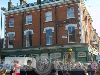
Contact Details:
52 Drayton Park
Highbury
London
N5 1NG
Tel: 0207 835 2301
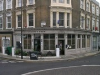
Contact Details:
75 Grosvenor Avenue
Highbury
London
N5 2NN
Tel: 0207 354 0094
Contact Details:
105 Seven Sisters Road
London
N7 7QP
Tel: 08707 544 447

Contact Details:
53 Upper Street
London
N1 0UY
Tel: 0207 354 7700
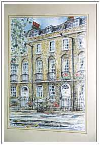
Contact Details:
3 Highbury Terrace
London
N5 1UP
Tel: 0207 354 3210
Contact Details:
72 Highbury Park
Highbury
London
N5 2XE
Tel: 0207 226 1609
Contact Details:
19 Highbury Park
Highbury
London
N5 1QJ
Tel: 0207 704 8099
Contact Details:
104 Highbury Park
Highbury
London
N5 2XE
Tel: 0207 226 0070