Ema
We are always looking for confident attractive women.
Any nationality welcome
Must be over 18 years of age.
Royston is a lively town set in the county of Hertfordshire. It is located approximately forty three miles from the centre of London and has good transport access to the capital. You will find a number of entertainment venues and leisure facilities in the area along with plenty of shops, pubs, bars and restaurants.
If you are looking to hire some female company then where better to look than Diamond Escorts. They are the leading agency in Hertfordshire. They have a fantastic reputation for not only having the best looking ladies but also having the most competitive prices. They haven't increased their rates throughout the recession unlike a lot of other agencies and continue to provide beautiful cheap escorts. The escorts in Royston can visit you either at home or in your hotel and can stay for as long as you want them to. You certainly won't want them to leave so ask about the rates for an overnight booking. You will be amazed at the amount of money you can save. There are many different Royston escorts to choose from. You may be looking for someone young, fresh and who loves to party, or perhaps you are looking for a sophisticated and mature companion who can accompany you to a dinner date or business function. There is a Royston escort for every occasion and to suit every taste. You can have one of these stunning ladies to your door quicker than you think, so what are you waiting for? Call Diamond Escorts today and let them do all the hard work for you.
The Royston escorts start to get ready hours before they come and see you. They start by taking a long hot shower, giving themselves a good scrub with some sweet smelling shower gels. Once they have washed their troubles away they dry themselves off and moisturise their bodies from top to bottom with a nice body butter or cream. This leaves their skin soft, silky and smelling great. Some Royston escorts even have a spray tan or sun bed to give their skin that sun kissed look. The Royston escorts always keep their hair in tip top condition. They give it a nice shampoo and often visit the salon to have it styled and cut. It will always be tangle free, soft and shiny, and ready for you to run your fingers through. All Royston escorts like to dress nice and they will always have matching lingerie and stockings ready to show you and will usually be wearing a nice dress or short skirt to show off their legs. They like to keep up with the latest fashion and regularly check out magazines for up to date trends.
If you need your Royston escort to be a little bit discreet then you can always ask her to arrive in casual attire so that no one guesses what you are up to. She can come in jeans and a sweatshirt and only you will know what lies beneath. Book the Royston escorts today for a truly magical experience.
Below you will find a list of venues where your Royston escort will be more than happy to visit and offer you that very special memorable evening of exceptional enjoyment which we are certain you will remember for a very long time.

Play Paintball operates from 60 acres of wonderful woodland near Royston Bishops. A full days play. Catering for any age from 12, and Parties of up to 100 welcome. Rogue Warrior Events are specialists in organising fun packed days of paintball for individuals and groups alike.
Contact Details :
Rogue Warriors Events
Royston
Herts
Tel: 07726 007336
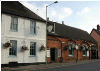
The Green Man is situated on A10 in Royston. There is regular live music and pop & rock covers with a midnight extension on Friday & Saturday when live entertainment provided. There is a separate raised no-smoking dining area, garden and small car park.
Contact Details :
37 Market Hill
Royston
Herts
SG8 9JU
Tel: 01763 24800
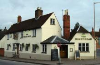
The Boars Head is a traditional 'Olde Worlde' public house offering excellent food, which is homemade and served without you having to wait for ages. This pub does some of the best food available in Royston and the staff are always professional and helpful. There are two car parks so there’s no problem parking.
Contact Details :
35 Market Hill
Royston
Herts
SG8 9JU
Tel: 01763 243013
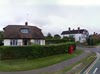
This pub is situated right beside the road bridge that crosses the railway lines and one minute away from Royston Rail Station. The North Star has now stepped up its live music with a mixture of bands and occasional solo acts. There’s plenty of parking.
Contact Details :
Old North Road
Royston
Herts
SG8 5DS
Tel: 01763 248196

The SG8 is a new modern nightclub located in the centre of Royston. It has State of the art sound and lighting systems, air conditioning and it’s open every Thursday, Friday and Saturday. There is also SG8 Salsa Dancing for all levels.
Contact Details :
Roysia House
Market Hill
Royston
Herts
SG8 9JJ
Tel: 07917 290720
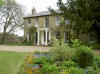
Hall Farm is a Bed and Breakfast accommodation in a beautiful quiet Georgian Farmhouse, set in a secluded walled garden. This 500 acre working family farm offers
Family rooms with breakfast in the room, free Wifi Internet Access and are Pet Friendly. There is horse riding and a Golf Course nearby.
Contact Details :
Hall Lane
Great Chishill
Nr Royston
Herts
SG8 8SH
Tel: 01763 838263

The Chequers is a charming 15th Century Coaching Inn set in the beautiful old market town of Royston. It offers a perfect blend of contemporary design and traditional architecture. The guest rooms have en-suite facilities and the latest flat screen television and wireless internet connection. All rooms have tea and coffee making facilities. Diners can choose from a seasonal menu of home cooked food using locally grown produce.
Contact Details :
The Chequers
58 High Street
Royston
Herts
SG8 9AW
Tel: 01763 244788
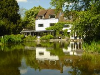
The Sheen Mill is a Grade 2 listed Mill set in an idyllic location. Guests have a choice of nine bedrooms, each with en-suite facilities. Each room is individually designed and complements the original features of the building, all have views of the hotel grounds. The hotel is warm and cosy on a winter’s evening and the staff are friendly and helpful.
Contact Details :
39 Station Road
Melbourn
Royston
Herts
SG8 6DX
Tel: 01763 261393
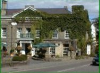
The Banyers Hotel has delightful gardens to the rear of the hotel which have been beautifully landscaped. Accomodation consists of 14 ensuite rooms, with doubles, singles, twin and family rooms.You can enjoy a fine dining experience with an excellent choice of food served at lunchtimes and evenings, either in the bar or the Beldam Restaurant.
Contact Details :
16 Melbourn Street
Royston
Herts
SG8 7BZ
Tel: 01763 242110
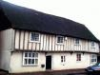
The Old Forge hotel is a comfortable 15th Century Squires House, built in 1460 towards the end of the reign of King James. This country house retreat has reserved all its original Old World charm. It is almost certainly the oldest Guest House in the area offering comfortable accommodation consisting of 2 Double, 1 Twin & 1 Single Bedrooms. Guests are made to feel at home.
Contact Details :
High Street
Barkway
Nr Royston
Herts
SG8 8EB
Tel: 01763 849066
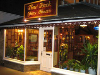
This restaurant offers Thai food at its best and the service is exceptionally good. Your food is served by Thai girls in traditional dress. The Thai Rack is highly recommended from start to finish. It’s pleasing to say that restaurants do still exist where the staff go out of there way to make you feel welcome and valued.
Contact Details :
29 Kneesworth Street
Royston
Herts
SG8 5AB
Tel: 01763 250488
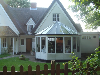
The Pink Geranium started life as two cottages sometime in the 16th Century and has been one of the county’s most famous restaurants since it opened in the 1960s. Today, the Pink Geranium is all about the dining experience which is achieved by offering excellent food from the extensive menu, together with an excellent service.
Contact Details :
25 Station Road
Melbourn
Royston
Herts
SG8 6DX
Tel: 01763 260215
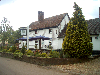
The Cabinet is a famous 16th century inn located in a beautiful village setting, which has been delightfully converted with considerable attention to detail. The food is served in the simply elegant dining room from a menu offering dishes prepared from excellent locally sourced ingredients. You can enjoy a glass of good wine with a snack at the bar, or you may wish to sit down for dinner in the informal setting of the restaurant. There is no dress code.
Contact Details :
High Street
Reed
Near Royston
Herts
SG8 8AH
Tel. 01763 848366
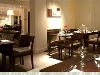
The Plough in Royston has a very stylish interior which is light and airy. There are modern low back cubic sofas where you can have a chill out drink. The wine bar and restaurant are chic and all the food is tastefully prepared.
Contact Details :
High Street
Shepreth
Royston
Herts
SG8 6PP
Tel: 01763 260523
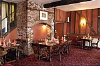
The Old Bull Inn is a charming 16th Century inn and reputedly the oldest hostelry in Royston. Features include, open fireplaces and exposed beams throughout. There are two bar areas, a private sunny courtyard for al fresco dining and a private car park. The delightful restaurant is surrounded by warmth and ambiance, with a superb selection of English 'with a twist' cuisine is the perfect answer to a perfect evening.
Contact Details :
56 High Street
Royston
Hertfordshire
SG8 9AW
Tel: 01763 242003